
Imagine a system which replaces the air in your home silently, smartly and tirelessly.
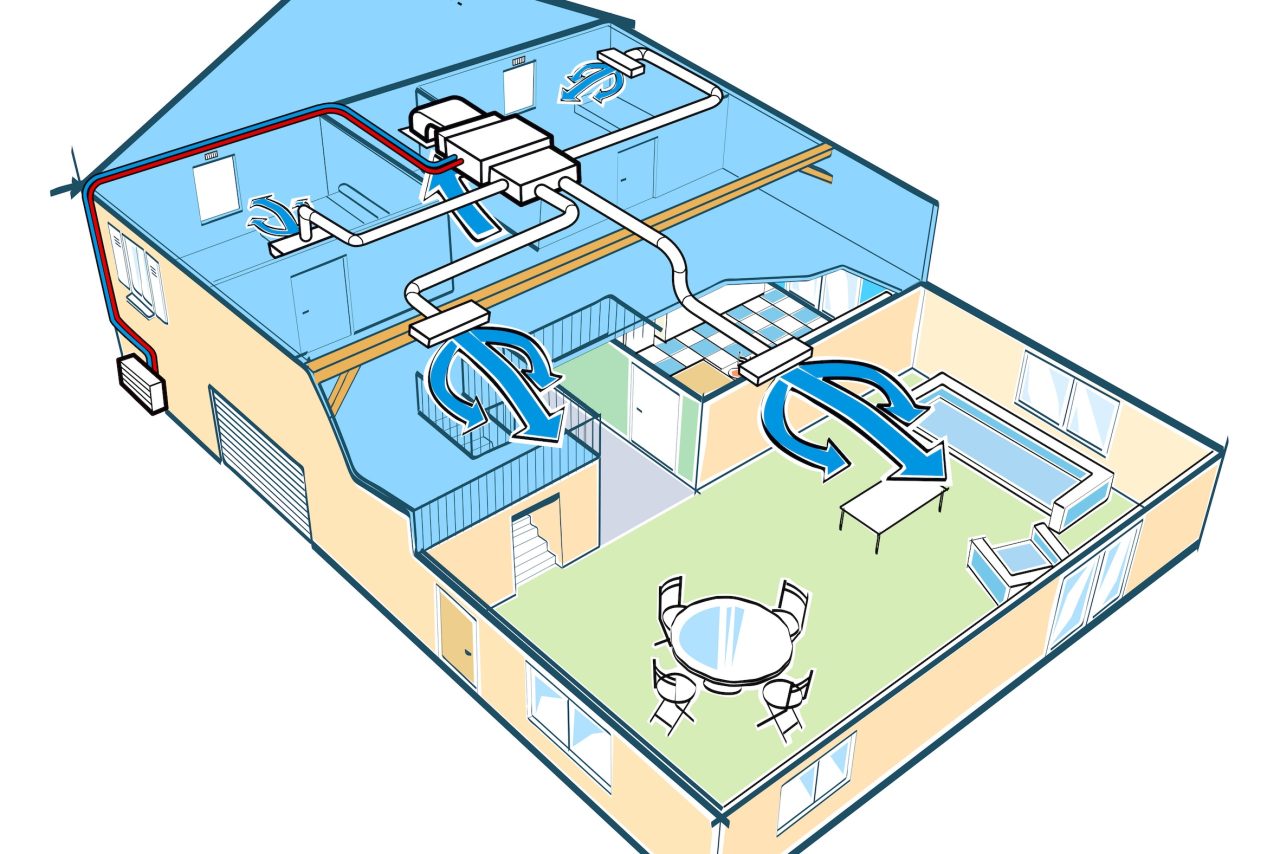
This is the concept behind Controlled Mechanical Ventilation (CMV). Basically, it consists in a piece of equipment that extracts stale air from a room, substituting it with fresh, filtered and regulated air without heat loss.
Everything is orchestrated by sensors that detect levels of CO₂, moisture or other substances, automatically calibrating ventilation to guarantee a consistently healthy and comfortable environment.
An asset for your health, well-being and energy efficiency
We spend almost 90% of our time in a confined space. Often, our living or working quarters are sealed off from the outside world and have no natural ventilation.
In such places, air can contain five times the pollutants we would encounter outdoors: VOCs, particulate matter, mould and invisible chemicals can trigger respiratory diseases and endanger our overall well-being.
Residential buildings, offices or schools equipped with CMV systems dramatically mitigate this risk while boosting performance levels, promoting better concentration and improving mental & physical wellness.
Mechanical air renewal (especially for heat-recovery systems) helps to keep the house warm in winter and cool in summer, doing away with the energy waste caused by people opening and closing windows all the time.
Utility bills are lower, thermal stress is minimised and the impact on the environment is decreased.
But how does a CMV system actually work?
At its heart, a CMV machine has extractors, fans, ducts and highly-efficient filters (often a HEPA or activated-carbon filter) that remove fine dust, particulates, pollen and pollutants from the air.
The most sophisticated designs include heat exchangers or enthalpy measurement technology which transfer energy between outgoing and incoming air, preserving warmth when necessary or preventing cool air from escaping.
Many modern solutions rely on “demand-controlled ventilation” (DCV) which adjusts airflow according to actual occupancy or indoor conditions. To do so, it uses CO₂ sensors, amongst other things, and is able to streamline consumption levels without compromising air quality.
Designers of a CMV system will need to make a vital choice between a centralised unit (with a single machine and a network of ducts) and a decentralised one (with lots of small independent units in each room).
A centralised system ensures complete control, extraordinary efficiency and less visual impact, but it requires space and structural work.
On the other hand, the decentralised version is perfect for retrofitting. It can be installed rapidly with minimum aesthetic impact and allows residents to individually manage each room, keeping consumption low.
In both cases, by opting for a double-airflow system (mechanical extraction of stale air and introduction of fresh air), electricity consumption for heating and cooling is greatly reduced due to energy recovery and human health is prioritised.
Beyond ventilation: moving towards healthier, smart and more sustainable environments
Excess dampness is a huge problem in a great many homes, whether it be recent housing that fulfils new energy standards or older legacy buildings.
Whenever air is trapped indoors for any length of time, condensation tends to occur and over time this leads to mouldy walls, mildew on ceilings and mustiness behind wardrobes and cupboards.
This is not simply a question of looks. Exposure to mould spores can have direct consequences on your health, especially on your respiratory tract. It often triggers allergic reactions or exacerbates underlying disorders.
One of the reasons why mould also forms in next-generation builds is that, being incredibly well insulated, they trap moisture, causing mould to thrive.
Understandably, advanced construction techniques aim to limit heat dispersion, but this makes for airtight rooms that often have poor ventilation.
Air no longer circulates through draughts and gaps, and humidity starts to build up.
Opening windows in the winter months serves little purpose. It brings fresh air into the house temporarily, but also leads to heat loss, putting bills up.
Controlled Mechanical Ventilation puts a permanent stop to this problem.
It is not just a piece of technology that boosts comfort levels, it is a system that acts systematically to raise the healthiness of our surrounds.
CMV makes use of consistent and regulated airflow to expel moisture-laden indoor air and introduce fresh filtered air, lowering the risk of condensation and preventing the development of mould.
If it is integrated with a heat-recovery system, it will also keep the internal temperature stable and eliminate waste by using the thermal energy of the removed air to pre-heat (or cool) incoming air.
But there are even more advantages than this.
A well-ventilated environment is a godsend for anyone who is allergy-prone. Modern facilities are fitted with filters that screen out particulate matter, pollen and mites, improving air quality and supporting respiratory health.
What is more, by keeping internal humidity and temperature unvaried, CMV does away with draughts and temperature swings, making for an environment that offers comfort throughout the passing seasons.
From an energy-consumption point of view, mechanical ventilation contributes to greater savings than traditional means.
Not only does this prevent heat loss caused by opening windows and doors, but heating and cooling equipment works better, cutting costs and lowering CO2 emissions.
This results in a real advantage for the environment too.
Last but not least, the positive effect that a well-designed CMV system has on property value is not to be underestimated.
Houses free of rising damp or mould and fitted with an efficient and energy-saving ventilation system are not only more habitable, but also more attractive on the market. Property equipped with a CMV system is viewed with enthusiasm because people like modern, healthy and efficient homes.
Ultimately, it makes sense to invest in a Controlled Mechanical Ventilation system because it is smart and sustainable.
It protects the health of the occupants, preserves the quality of your building over the years and helps to reduce both energy consumption and harmful emissions.
It is not just a fancy hi-tech option, it is a conscious choice for better health day after day.
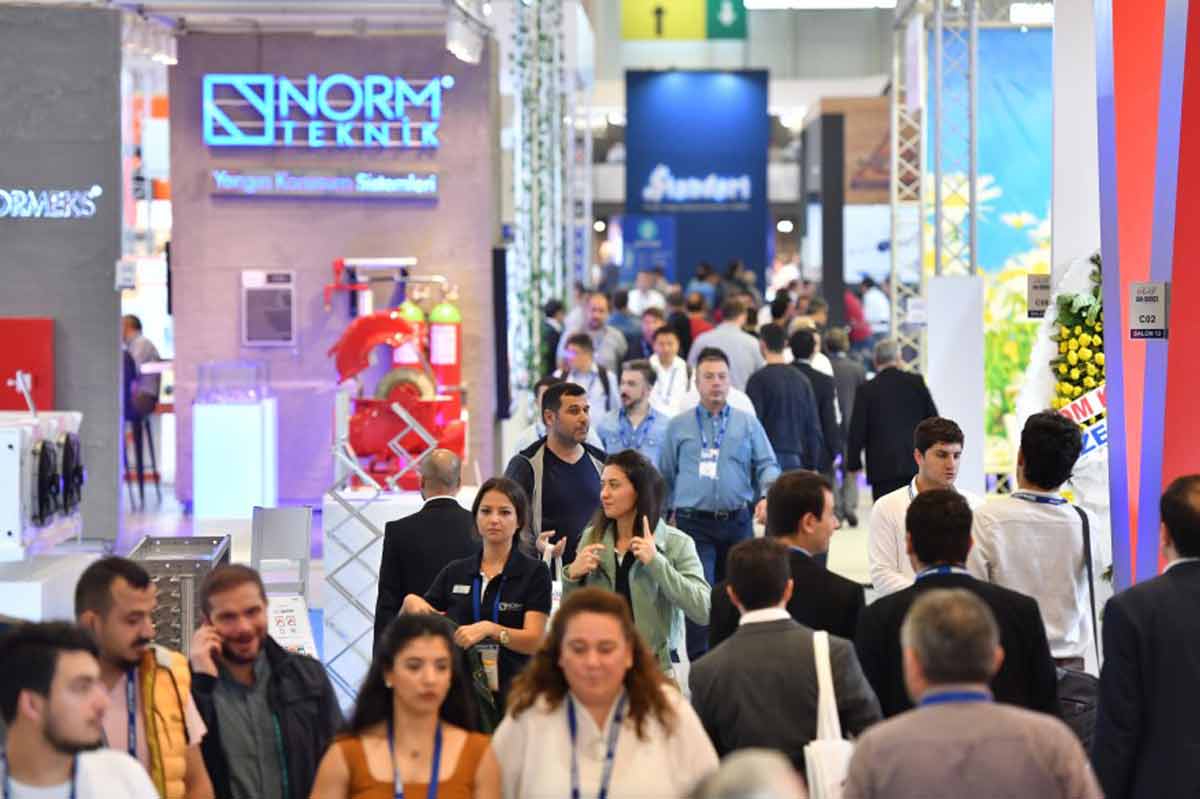
If you want to learn more about the technical ins and outs, compare specific designs or decide which model would be best suited to your requirements, the ISK-SODEX trade fair is what you want. It brings together operators from the HVAC sector all over the world every two years.
The next appointment is in Istanbul from 22 to 25 October 2025.