


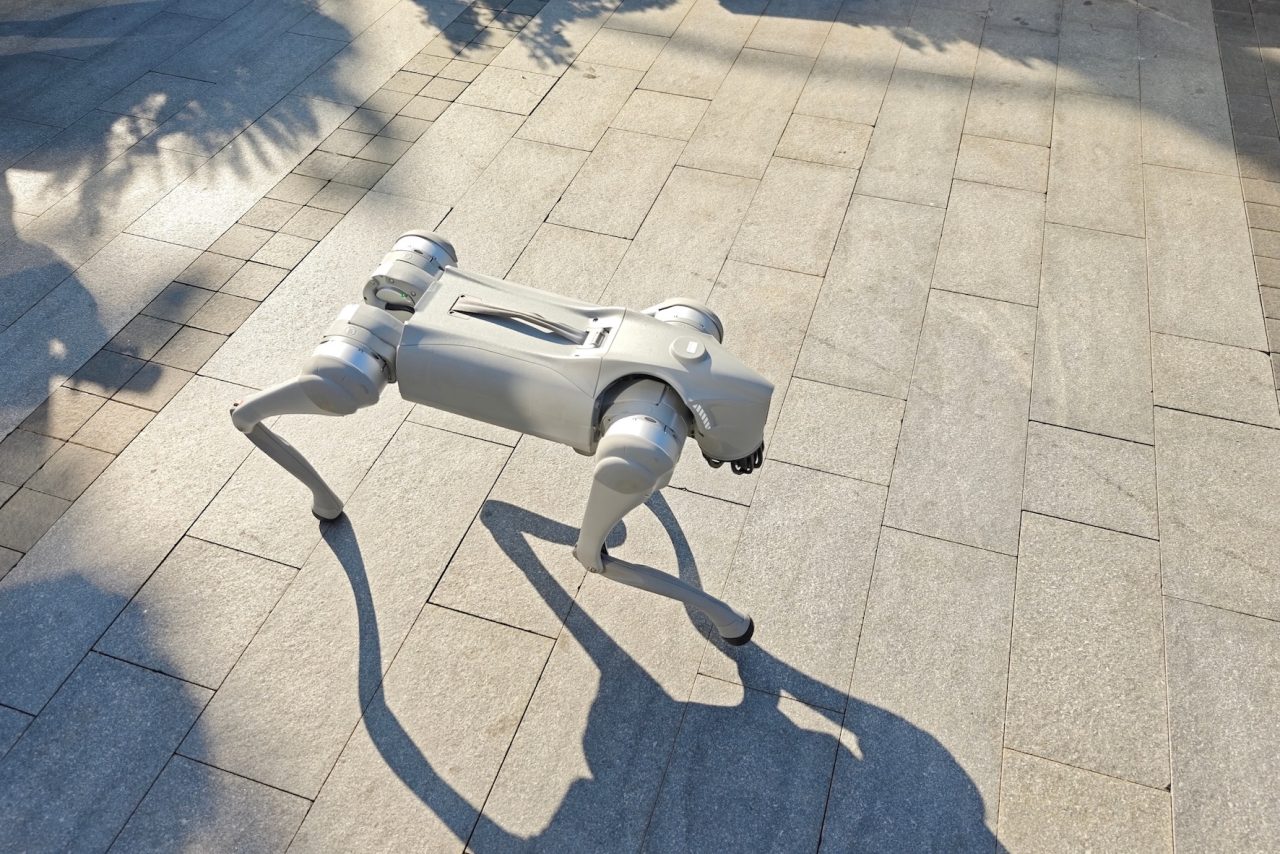
In 2026, quadruped robots are becoming an increasingly tangible presence in industrial environments. Designed to move autonomously among machinery, stairs, and complex settings, these robotic systems are set to play a growing role in inspection and monitoring activities. Equipped with 3D LiDAR sensors, high-definition cameras, and artificial intelligence algorithms, they can navigate even in low-light conditions or hard-to-reach spaces, collecting data from hundreds of critical points within production plants and energy infrastructure.
The evolution of these technologies—also showcased at Hannover Messe—confirms a clear objective: transforming operational data—such as temperature, vibrations, acoustic emissions, or leaks—into actionable insights for management and maintenance.
According to analyses by the International Federation of Robotics, the global market for professional service robotics is experiencing strong growth, increasingly encompassing industrial applications related to inspection, safety, and maintenance. Autonomous mobile robots, in particular, are gaining ground in environments where human presence is complex or risky, such as chemical plants, power stations, and large-scale manufacturing facilities.
In this context, quadruped robots represent a particularly versatile solution. Thanks to their ability to move across uneven terrain and overcome obstacles, they can access areas where wheeled robots are less effective. The data they collect is transmitted to management systems and analysed through digital platforms, supporting the development of predictive maintenance strategies and the rapid detection of anomalies.
For industry, this marks an important step towards smarter and more autonomous facilities. Reducing downtime, compensating for the shortage of skilled technicians, and improving operational safety are becoming increasingly central objectives. In this scenario, quadruped robots could truly become the “best friend” of the factories of the future.