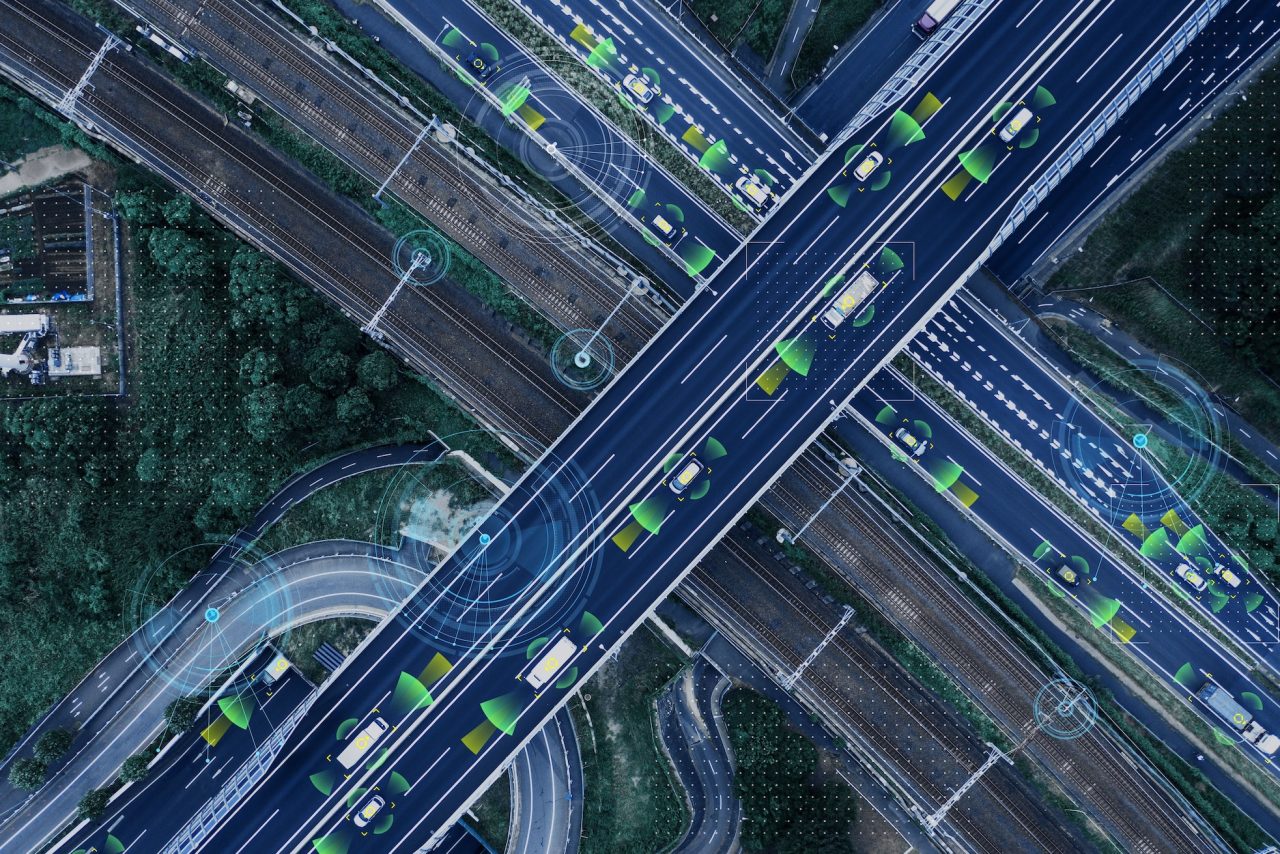
Cameras, radar, LiDAR and sensor fusion systems are changing the way robots, autonomous vehicles and industrial machines perceive the space around them. The ability to collect and interpret information from the environment is one of the key steps towards making automation safer and more reliable, while enabling machines to perform an increasingly wide range of tasks.
Artificial perception is no longer simply about recognising an object or detecting an obstacle. It is about building a representation of the surrounding environment that can support real-time decision-making. This makes perception technology increasingly relevant to automated logistics, precision agriculture, robotics and autonomous mobility.
Different Technologies, One Goal
Computer vision, based on cameras and artificial intelligence algorithms, is currently one of the most widely used solutions for identifying people, objects, defects and anomalous situations. Its main limitation is its dependence on external conditions: insufficient light, dust, rain and fog can all affect its performance.
Radar, on the other hand, offers greater operational continuity because it measures distance and speed using radio waves, even in challenging environmental conditions. This makes it particularly useful in autonomous vehicles, agricultural machinery and mobile industrial equipment.
LiDAR adds another dimension. By using laser pulses, it creates a highly accurate three-dimensional representation of the surrounding environment. It is used in advanced autonomous systems, mobile robots and applications where safety and precise localisation are essential.
The combination of these three technologies can therefore lead to more capable and reliable perception systems.
The Challenge Is Integration
The future of artificial perception will not be determined by a single sensor, but by the ability to combine data from different technologies. This is the principle behind sensor fusion: integrating information from cameras, radar, LiDAR and other systems while compensating for the limitations of each individual technology.
This integration allows machines to operate in less structured and more dynamic environments, increasing both reliability and safety.
The shift could be significant. In automated warehouses, construction sites, fields and, more broadly, on our roads, machines will not simply “see”. They will increasingly be able to interpret what is happening around them and respond accordingly.